
Kenya Pushes Further Customs Digitisation to Improve Regional Cargo Flow
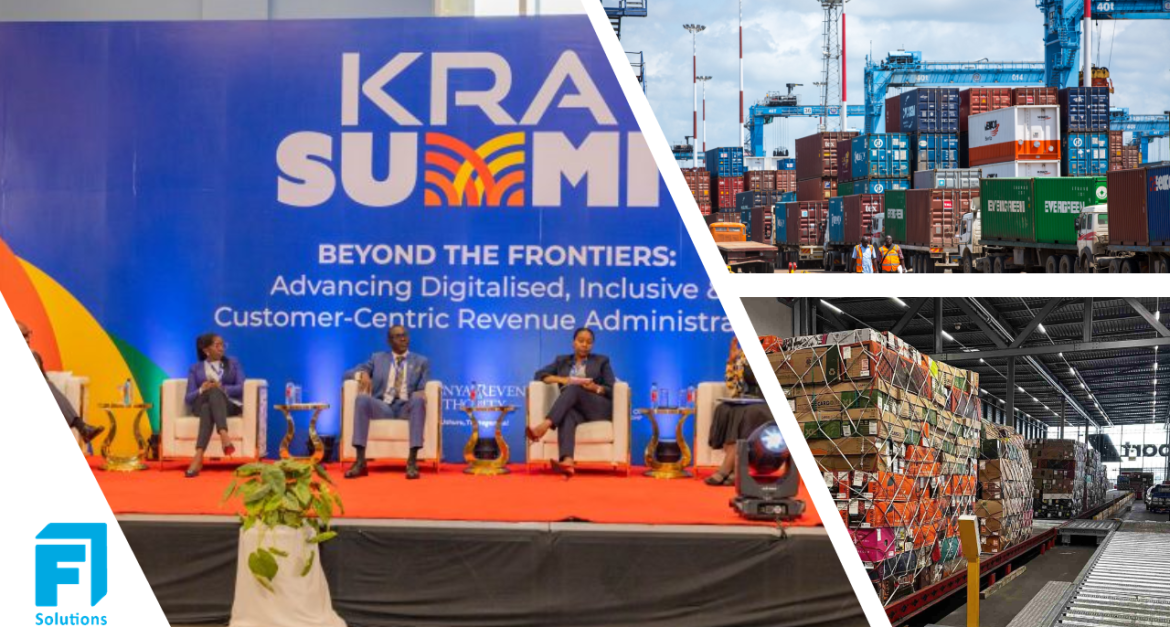
Kenya entered 2026 with renewed focus on customs efficiency and trade facilitation. The Kenya Revenue Authority continued expanding digital customs initiatives aimed at reducing paperwork, improving cargo visibility, and speeding up border clearances across regional trade corridors.

For logistics operators moving cargo into Uganda, Rwanda, South Sudan, and the DRC, the direction is encouraging. Faster verification processes and improved electronic cargo tracking systems could help reduce transit uncertainty — one of the region’s longest-standing supply-chain frustrations.
The broader implication is becoming increasingly clear: East Africa’s logistics competitiveness will depend as much on systems and coordination as it does on roads and ports. A truck delayed at a border for two days can quietly erase the gains made by expensive infrastructure upgrades elsewhere in the chain.
For transporters, clearing agents, and 3PL providers, digitisation is also reshaping customer expectations. Clients increasingly want real-time updates, predictable lead times, and fewer administrative surprises. The companies best positioned for the future are likely to be those investing not only in fleet and warehouse capacity, but also in visibility, integration, and operational intelligence.
Mombasa Port Maintains Growth Momentum as Regional Cargo Volumes Rise
The Port of Mombasa began the year on strong footing, continuing to report healthy cargo and container throughput as regional trade activity remained resilient. Transit cargo destined for Uganda, Rwanda, Burundi, and eastern DRC remained a major contributor to volume growth, reinforcing Kenya’s role as East Africa’s primary logistics gateway.
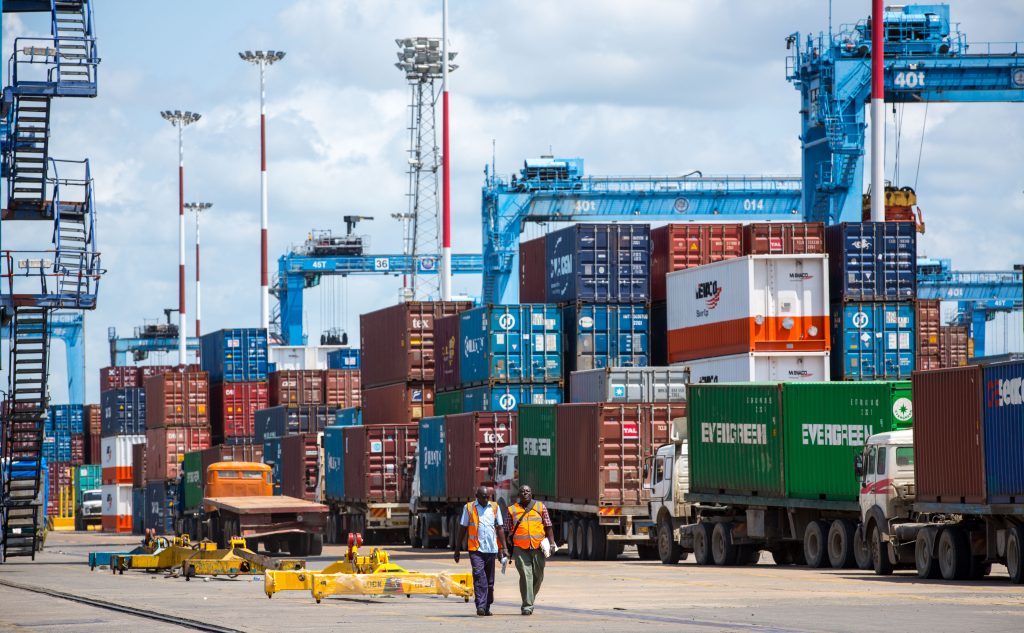
For the supply-chain sector, throughput growth is more than a port statistic — it’s often an early indicator of wider commercial movement across the region. Higher volumes typically translate into increased demand for transport, warehousing, clearing, and inland distribution services.
The pressure, however, is not only on capacity, but on coordination. As cargo volumes rise, efficiency across the wider ecosystem becomes critical: port turnaround, customs processing, inland transport planning, and warehouse readiness all need to move in sync to avoid congestion simply shifting further inland.
Regional competition is also intensifying. With Dar es Salaam continuing to expand its own corridor ambitions, East Africa’s ports are increasingly competing not just on infrastructure, but on speed, reliability, and overall cost-to-serve.
For Kenya, maintaining gateway status will depend on keeping cargo flowing predictably beyond the port gates — all the way into regional markets.
Valentine’s Flower Exports Tighten Airfreight Capacity at JKIA
As Valentine’s season approached, pressure once again mounted on Kenya’s airfreight ecosystem. Flower exporters moved aggressively to secure cargo space out of Jomo Kenyatta International Airport (JKIA), driving intense competition for uplift capacity during one of the busiest export windows of the year.
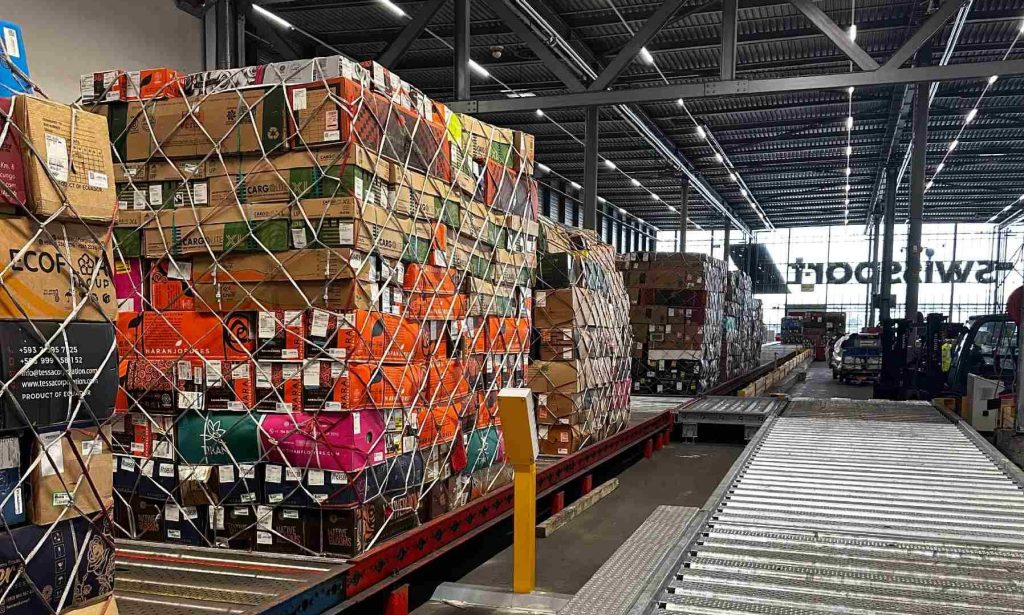
For the floriculture industry, timing is everything. Delays of even a few hours can affect freshness, shelf life, and ultimately retail value in European markets. This seasonal pressure often exposes the wider strengths — and weaknesses — of Kenya’s cold-chain infrastructure.
Handling efficiency, cold storage coordination, truck scheduling, and airport processing all come under scrutiny during peak flower season. Logistics providers supporting the sector increasingly rely on tighter operational visibility to keep shipments moving smoothly under compressed timelines.
Across the broader logistics industry, the trend toward technology-driven operations is becoming harder to ignore. Modern warehousing and transport management systems are now playing a central role in improving inventory accuracy, cargo traceability, and client reporting.
At Freight Forwarders Solutions (FFS), for example, warehouse operations are fully system-driven through Infor WMS, while analytics platforms such as Power BI and vehicle tracking tools like Mix Telematics help strengthen operational visibility across transport and distribution activities. As customer expectations evolve, these kinds of systems are gradually shifting from competitive advantage to operational necessity.
The Valentine’s rush may only last a few weeks, but the lessons it highlights around planning, visibility, and supply-chain coordination continue shaping East Africa’s logistics sector long after the flowers leave the runway.