
Kenya’s Record Fuel Prices Intensify Logistics Cost Pressure
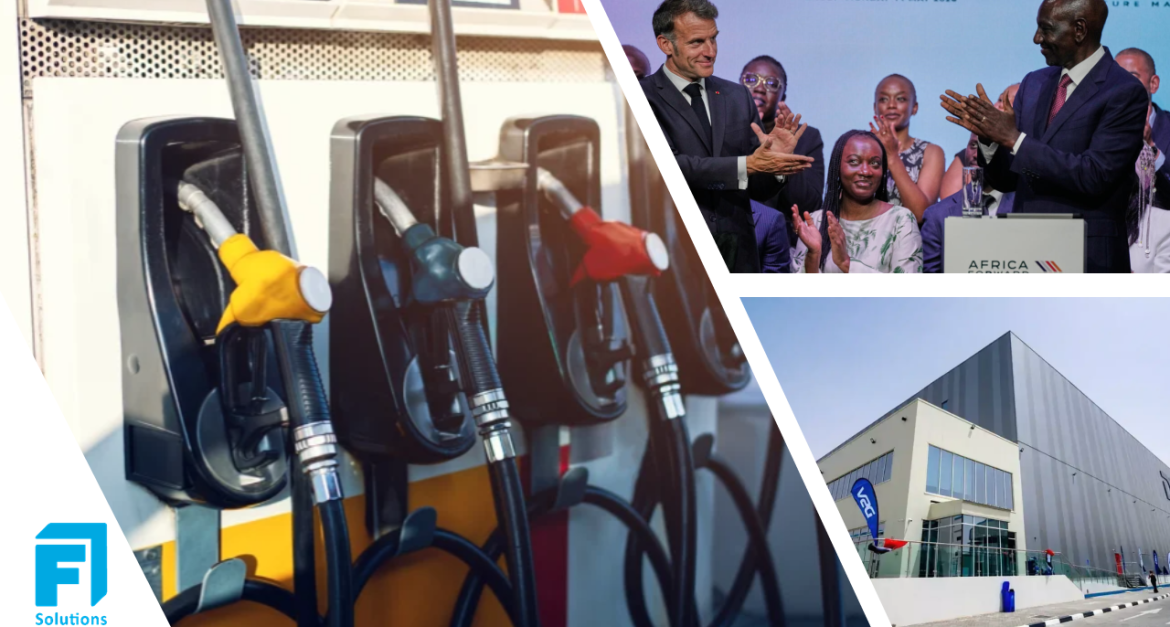
Kenya’s logistics sector faced mounting pressure in May as fuel prices climbed to some of the highest levels ever recorded in the country, deepening concern across transport and distribution networks.
For transporters, the impact was immediate. Rising diesel costs significantly increased the cost of inland freight movement, particularly on regional routes serving Uganda, Rwanda, and eastern DRC. Many operators found themselves reassessing transport rates, delivery schedules, and route efficiencies in an attempt to protect already-thin operating margins.
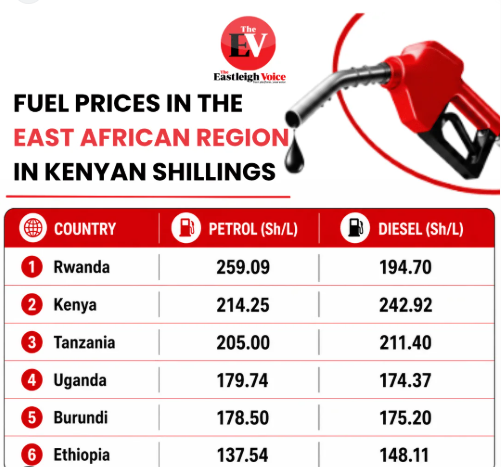
The pressure extended well beyond transport companies alone. Manufacturers, distributors, retailers, and importers all faced the possibility of higher logistics-related costs feeding into final product pricing.
Fuel volatility also continues complicating longer-term planning. Supply-chain managers increasingly need to account for fluctuating transport costs when forecasting inventory movement, procurement budgets, and customer pricing structures.
Across the sector, the conversation is shifting toward operational efficiency — route optimization, fleet visibility, fuel monitoring, and tighter planning discipline are becoming increasingly important as businesses attempt to manage cost pressure more effectively.
Africa Forward Summit Puts Kenya’s Logistics and Infrastructure Ambitions in Focus
Nairobi drew significant international attention in May as Kenya hosted the Africa Forward Summit 2026, welcoming global political leaders, investors, and business stakeholders for discussions centered around infrastructure, trade, connectivity, and economic partnership.
French President Emmanuel Macron’s visit highlighted growing European interest in East Africa’s strategic importance as a trade and logistics gateway. Conversations during the summit touched on transport infrastructure, urban mobility, energy investment, digital transformation, and regional connectivity — all areas closely linked to the future of supply-chain development across the region.

While many of the commitments discussed will take time to materialize, the broader signal was clear: East Africa is increasingly being viewed as a critical commercial and logistics hub within global trade networks.
For Kenya specifically, the summit reinforced Nairobi’s position not only as a diplomatic center, but also as a regional coordination point for business, distribution, and investment activity. Improved infrastructure partnerships and financing access could eventually support upgrades across ports, rail, roads, warehousing, energy systems, and digital logistics capability.
For logistics operators, these discussions matter because infrastructure investment shapes long-term competitiveness. Efficient trade corridors, reliable transport systems, and integrated regional supply chains ultimately determine how effectively goods move across borders and into growing African consumer markets.
The summit also reflected a larger global trend: international players are increasingly competing not just for access to African resources, but for participation in Africa’s future trade and supply-chain architecture.
DSV Expands Dubai Logistics Footprint as Gulf–Africa Trade Corridors Deepen
Global logistics player DSV drew industry attention in May following the opening of its new 30,000 sqm logistics hub within Dubai’s Jebel Ali Free Zone (JAFZA), further strengthening one of the world’s most strategically important trade and distribution corridors.
Positioned at the intersection of maritime, airfreight, and regional distribution networks, the facility reflects the growing importance of the Gulf as a consolidation and redistribution gateway for cargo moving into Africa, including East African markets.
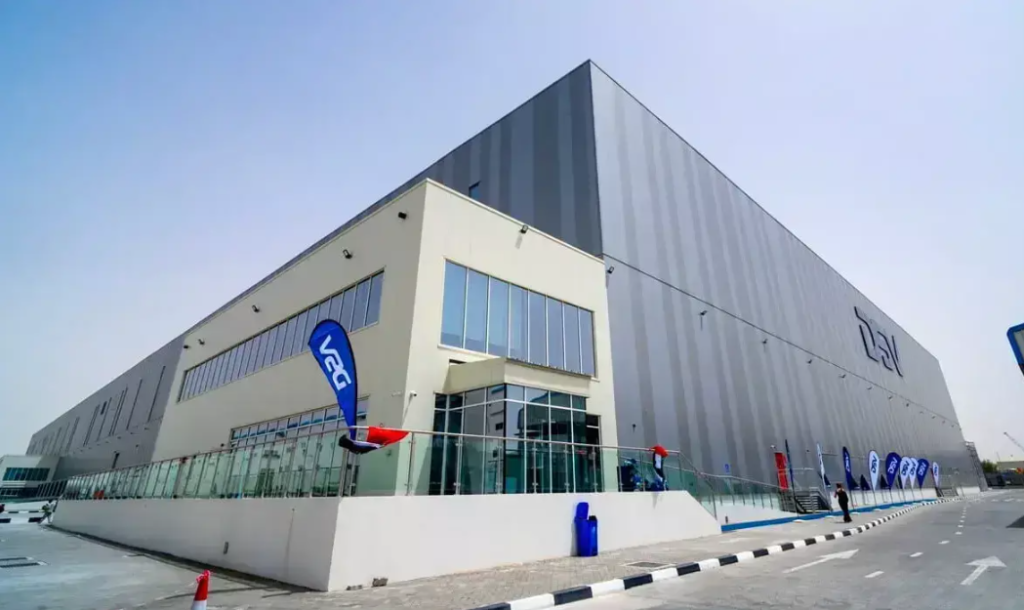
For logistics operators across Kenya and the wider region, developments in Dubai matter far more than geography might suggest. A significant share of East Africa’s imports — from electronics and machinery to FMCG products and industrial supplies — either originate from, transit through, or are consolidated within Gulf logistics hubs before entering regional supply chains.
The expansion also highlights a broader shift taking place within global logistics strategy: increasing investment in integrated mega-hubs capable of combining warehousing, fulfilment, multimodal transport, and regional distribution under a single operational ecosystem.
Further, FFS parent company, Freight Forwarders Kenya (FFK), remains the exclusive East African agent for DSV, reinforcing the strategic importance of the Gulf–East Africa trade corridor within regional supply-chain operations. As cargo flows between Dubai and East Africa continue growing, partnerships of this nature help strengthen connectivity, improve cargo coordination, and support more integrated logistics solutions across transport, warehousing, clearing, and regional distribution activities.
As supply chains become more time-sensitive and customer expectations rise, logistics providers are placing greater emphasis on visibility, scalability, and proximity to major trade lanes. Facilities like DSV’s JAFZA hub are designed not simply for storage, but for faster inventory positioning, improved cargo coordination, and more responsive regional distribution planning.
At the same time, the development serves as another reminder that modern logistics competition increasingly revolves around integrated networks rather than isolated warehouses or transport assets. The companies best positioned for future growth are likely to be those capable of connecting global trade corridors with efficient local execution across transport, warehousing, and distribution operations.